

28
Aug
Why Northwest Arkansas Humidity Is a Breeding Ground for Mold
How to Protect Both Homes and Commercial Properties
If you live or do business in Northwest Arkansas, you already know the drill: step outside during the peak of summer, and the air feels heavy and thick. While we love our scenic Ozark hills, rushing rivers, and lush green trees, our regional climate comes with a major downside for property owners whether you own a single-family home or manage a commercial facility.
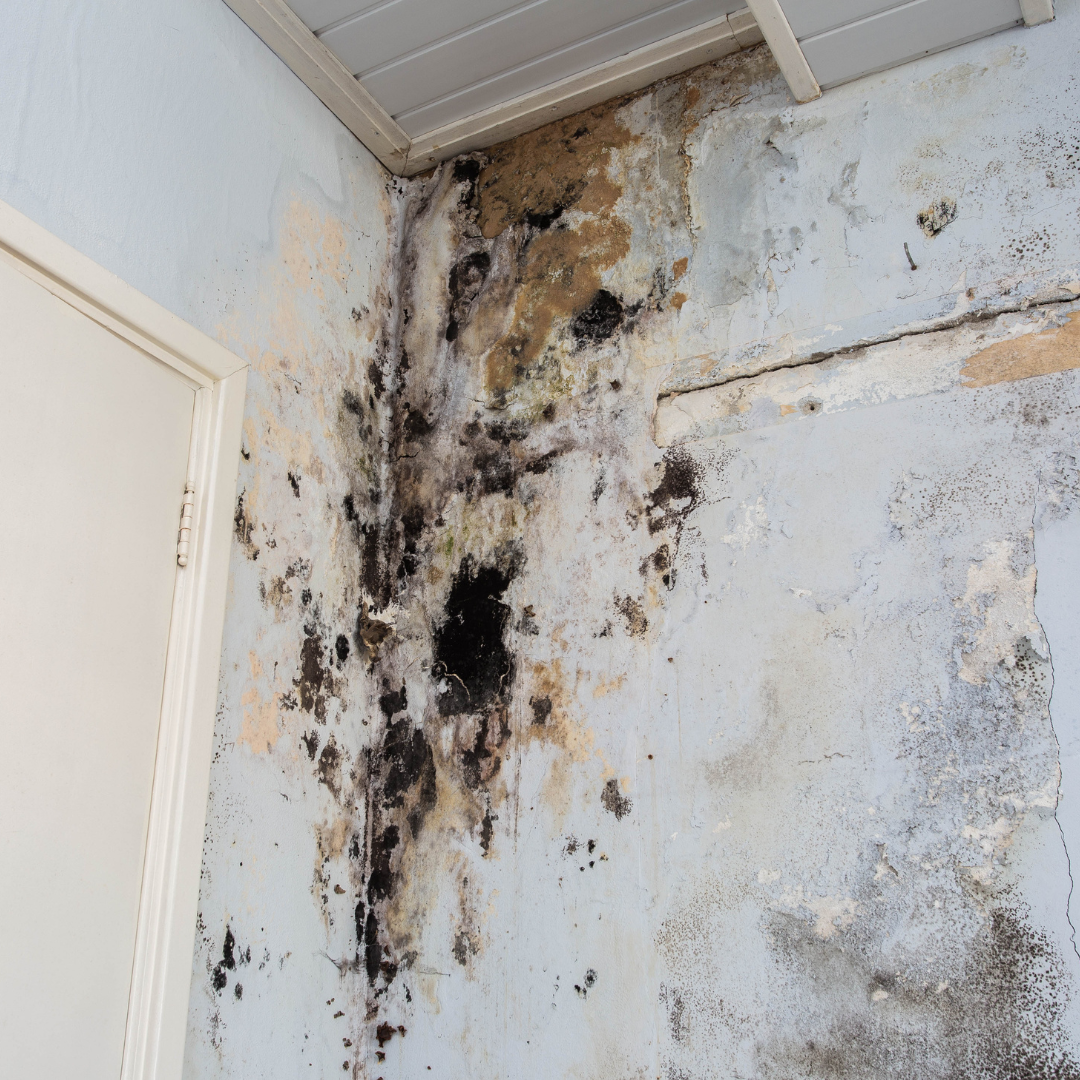
That thick, sticky air isn’t just uncomfortable. It is an open invitation for mold.
At 911 Restoration of Northwest Arkansas, we see firsthand how quickly seasonal moisture can compromise local properties. While residential kitchens and bathrooms get a lot of attention, the real danger is often lurking right out of sight: in crawlspaces, basements, and neglected commercial utility zones.
Why Northwest Arkansas Is a Hotspot for Mold
Mold thrives in environments that offer three things: moisture, oxygen, and organic food sources (like wood, insulation, drywall, and commercial ceiling tiles). Unfortunately, NWA checks every single box:
- High Humidity and Temperature Swings: Spring storms bring heavy rain followed by intense, humid heat. When warm, moisture-laden air enters a cooler crawlspace or an under-ventilated facility, it condenses rapidly.
- The Ozark Terrain: Properties across Fayetteville, Bentonville, Rogers, and Springdale are frequently built on sloping lots or in low-lying areas where groundwater naturally gravitates toward building foundations.
- The 48-72 Hour Window: Mold doesn’t need weeks to take root. Under the right humid conditions, spores can germinate and spread on organic surfaces in as little as 48-72 hours.
Warning Signs Your Property Has Hidden Moisture
Because crawlspaces, storage rooms, and utility closets are often out of sight, they are ignored until the problem impacts daily life or business operations. Keep an eye out for these red flags:
- Musty, Earthy Odors: If your home or commercial office smells like a damp basement every time the HVAC kicks on, that air is likely circulating mold spores from hidden moisture pockets.
- Warped Building Materials: Buckling hardwood floors in a home, or swelling drywall and sagging ceiling tiles in a commercial building, are classic signs of excessive structural humidity.
- Condensation on Infrastructure: Puddles or heavy sweating on commercial ductwork, plumbing lines, or warehouse foundations indicate high dew points.
- Tenant or Employee Complaints: Unexplained spikes in allergy symptoms, persistent coughing, or stuffy noses among employees or family members can often be traced back to poor indoor air quality.
Practical Steps to Keep Crawlspaces and Facilities Dry
Protecting your property’s structural integrity requires managing moisture at the source. Here is how you can keep vulnerable zones dry year-round:
- Improve Outdoor Drainage and Grading
Make sure gutters, downspouts, and site grading push rainwater at least six feet away from foundations. Pooling water against exterior walls will inevitably seep into crawlspaces or commercial sub-levels.
- Maintain Vapor Barriers and Seals
For homes, a heavy-duty plastic vapor barrier covering the crawlspace floor is the first line of defense against ground moisture. For commercial facilities, ensuring proper building envelope sealing prevents ambient outside humidity from migrating indoors.
- Control Indoor Climate and Ventilation
Never completely turn off HVAC systems in vacant commercial spaces or during extended travel. Maintaining consistent climate control prevents the air stagnation that fuels mold growth.
- Invest in Professional Dehumidification
In a humid climate like Northwest Arkansas, passive venting isn’t always enough. Installing a professional-grade crawlspace dehumidifier or commercial-scale air scrubbers for larger facilities is the most effective way to keep relative humidity below the critical 50% threshold.
Why Mold and Moisture Are Serious Risks
For business owners, a mold issue is more than a maintenance headache, it’s a threat to your bottom line. Unaddressed mold can lead to:
- Health and Safety Liabilities: Poor indoor air quality can trigger asthma and allergic reactions among employees, customers, and tenants.
- Costly Structural Damage: Rotted subfloors, compromised framing, and ruined inventory can halt operations and require expensive capital repairs.
- Business Interruption: Lingering odors or visible mold can damage your brand reputation and drive customers away.
When to Call 911 Restoration Of NorthWest Arkansas
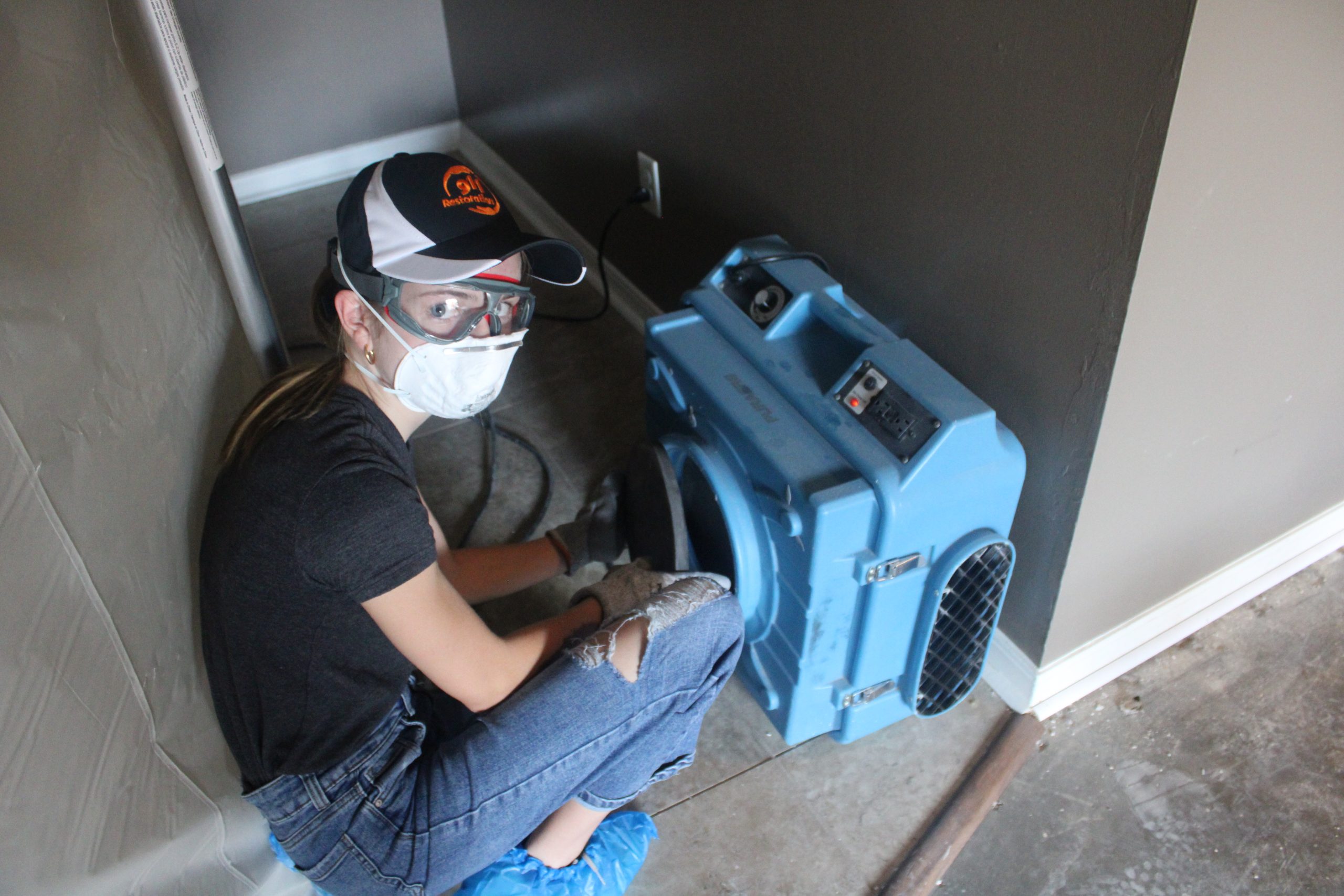
If you’ve discovered standing water, structural wood rot, or widespread mold growth in your residential crawlspace or commercial facility, DIY solutions won’t cut it. Deep-seated mold requires professional containment, HEPA air scrubbing, antimicrobial treatments, and structural drying equipment to ensure safety and compliance.
911 Restoration of Northwest Arkansas provides comprehensive mold remediation, water damage restoration, and commercial property recovery services across Benton and Washington counties.
Got a musty smell or suspect hidden moisture under your home or business?
Contact us today at 479.223.5148 for a thorough inspection.
Latest Posts


Contact Us
For Advice
Need help? Talk to an expert
(479)-223-5148