


28
Aug
How To Make Your Northwest Arkansas Property Ready for Summer Rain
When we think of summer in Northwest Arkansas, we usually think of floating the Buffalo River, hiking around Devil’s Den, or catching a game at Baum-Walker. But local homeowners and business owners know that June, July, and August also bring a less predictable guest: sudden, intense summer thunderstorms.
In this blog we want to prepare you for “ Flash Floods & Severe Storms”.
Whether you are living in a historic home in Fayetteville, or a new home in Bentonville, or a property nestled in the hills of Rogers or Springdale, NWA weather can shift in an instant. A beautiful, sunny afternoon can quickly turn into a torrential downpour capable of dropping inches of rain in under an hour.
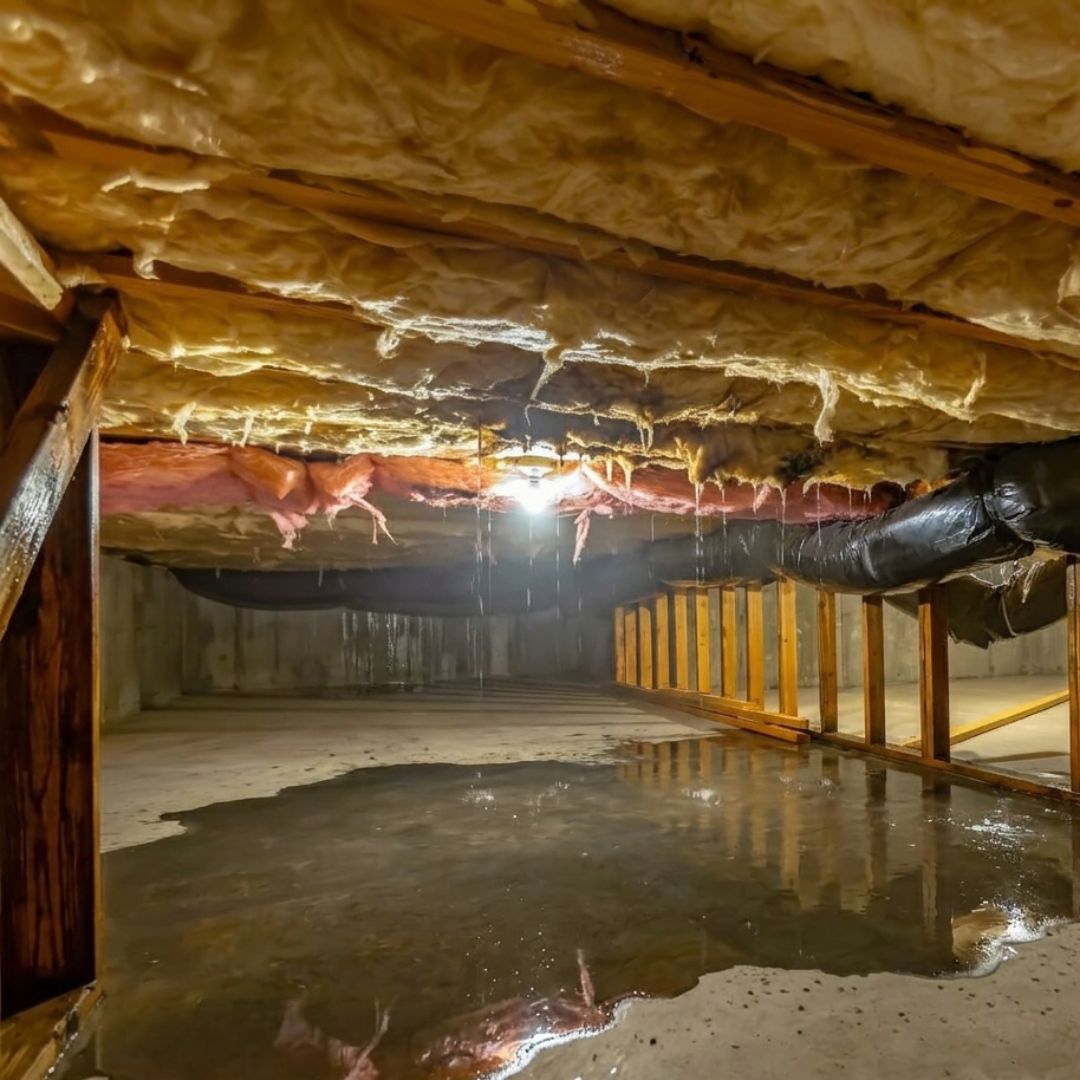
Because of our unique Ozark terrain, that water moves fast, turning minor drainage issues into major basement, crawl space, or living room floods.
At 911 Restoration of Northwest Arkansas, we respond to water emergencies all summer long. The best way to handle a flood is to prevent it from ever happening. Here is your quick checklist to make sure your home is ready to handle whatever the Northwest Arkansas sky throws at it this season.
1. Clear the Spring Debris From Your Gutters
By the time summer rolls around, your gutters are likely packed with spring oak tassels, maple seeds, and pine needles. When a heavy summer storm hits, a clogged gutter acts like a dam.
Instead of channeling water away from your home, the rain overflows the sides. This sends thousands of gallons of water straight down your exterior walls, pooling right at your foundation. From there, it takes the path of least resistance frequently seeping directly into your basement or crawl space.
- The Pro-Tip: Grab a ladder (or call a local pro) and clear out your gutters and downspouts before the next big storm. Make sure your downspout extensions are directing water at least 5 to 6 feet away from your home’s foundation.
2. Give Your Sump Pump a “Pop Quiz”
If your home has a basement or a low-lying crawl space, your sump pump is your absolute primary line of defense against rising groundwater. But a sump pump that has been sitting idle for months might fail just when you need it most.
- The Pro-Tip: Test your pump by pouring a five-gallon bucket of water slowly into the sump pit. The pump should activate automatically, discharge the water quickly, and shut itself off. If it doesn’t come to life, or if it makes a grinding noise, it’s time to call 911 Restoration of Northwest Arkansas to discuss the most efficient options which may include replacing the unit before the next flash flood warning hits Washington or Benton County.
3. Scan Your Roof for Hidden Vulnerabilities
Spring storm season often leaves behind subtle damage that goes unnoticed until the heavy, sustained rains of summer arrive. A single missing shingle or a cracked piece of flashing around your chimney can allow water to slowly drip into your attic. Over time, this ruins insulation, stains your ceilings, and creates a perfect dark, humid environment for mold to thrive.
- The Pro-Tip: You don’t necessarily need to climb onto your roof to check it. Take a pair of binoculars and walk your property line. Look for warped, lifted, or missing shingles. If you have an attic, take a flashlight up there during a heavy downpour to check for active drips or damp rafters.
4. Evaluate Your Yard’s Grading and Drainage
Take a look at your yard the next time it rains heavily. Does the water flow away from your house, or does it pool right against your foundation walls? Over time, the soil around NWA homes can settle, creating a slope that inadvertently directs rainwater toward the structure instead of away from it.
- The Pro-Tip: Ensure the ground slopes away from your foundation at a rate of about 6 inches over the first 10 feet. If you notice persistent puddling near your walls, investing in a French drain or altering your landscaping can save you from a catastrophic water damage restoration project down the road.
🛑 Emergency Action: What to Do If Your Home Floods
If water finds its way into your home this summer, acting fast minimizes structural damage:
- Safety First: Never walk into a flooded room if the water has reached electrical outlets or your breaker box.
- Stop the Source: If the water is coming from an interior plumbing failure, shut off your main water valve immediately.
- Document Everything: Take quick photos and videos of the standing water and affected belongings for your insurance claim.
- Call 911 Restoration of NorthWest Arkansas: Structural wood and drywall absorb water like a sponge. The faster professional drying equipment is placed, the less likely you are to suffer structural rot or mold growth.
Your Local 24/7 Storm Restoration Team
Sometimes, despite your best preparations, Mother Nature wins. High winds can throw a branch through a roof, or a historic flash flood can overwhelm your property’s drainage system.
When the unexpected happens, 911 Restoration of Northwest Arkansas is here for you. Our local, certified technicians are on standby 24/7/365, ready to respond to emergencies across Fayetteville, Bentonville, Rogers, Springdale, and the surrounding areas. We handle everything from rapid water extraction and structural drying to complete roof tarping and property reconstruction.
Don’t let a summer storm dampen your season. Give us a call today at (479) 223-5148 for a professional water leak inspection, or save this post and share with a friend in need!
📍911 Restoration of Northwest Arkansas | 5480 Hailey Ave Suite B, Springdale Arkansas 72762
Our Services: Commercial Property Damage | Water Damage | Fire Damage | Mold Removal | Sanitization | Sewage Backu
Latest Posts

Contact Us
For Advice
Need help? Talk to an expert
(479)-223-5148