

28
Aug
5 Step-Spring Water Leak Audit
Protecting Your Springdale Property from Arkansas Rain.
Spring in Northwest Arkansas is famous for two things: blooming dogwoods and relentless thunderstorms.
For property owners in Springdale, the transition from winter to spring is the most critical time to check for water leaks. Small drips during an April shower can quickly turn into a major mold remediation project by June.
Whether you manage a commercial storefront on Emma Avenue or own a home near Arvest Ballpark, this 5-step spring water leak inspection checklist will help you secure your “Fresh Start” for the season.
1. The “Top-Down” Inspection: Roofs and Gutters
Winter ice and wind can loosen shingles and pull gutters away from the roofline.
- Check the Shingles: Look for “bald” spots where granules have washed away. In Springdale, hail damage is a common culprit for silent leaks.
- Clear the Gutters: Spring pollen and leftover winter debris clog downspouts. If water overflows the sides of your gutters, it will eventually find its way into your crawl space or basement and cause water damage.
- Commercial Roofs: If you own a business, check for standing water that remains 48 hours after a rain. This adds thousands of pounds of stress to your property structure.
2. Window and Door Seals
Springdale’s humidity is no joke. If your window seals are cracked, moisture can seep into the wall cavities and cause water damage.
- Touch Test: Feel the drywall around window frames after a storm. If it feels soft or cool to the touch, you may have an active water leak.
- Visible Clues: Look for peeling paint or “bubbling” wallpaper. This is often the first sign of a slow water leak that has already begun to cause structural damage.
3. Foundation and Crawl Space
Springdale, Arkansas clay soil expands and contracts significantly with moisture. This movement can create tiny fissures in your foundation.
- Exterior Grading: Ensure the soil around your property slopes away from the building.
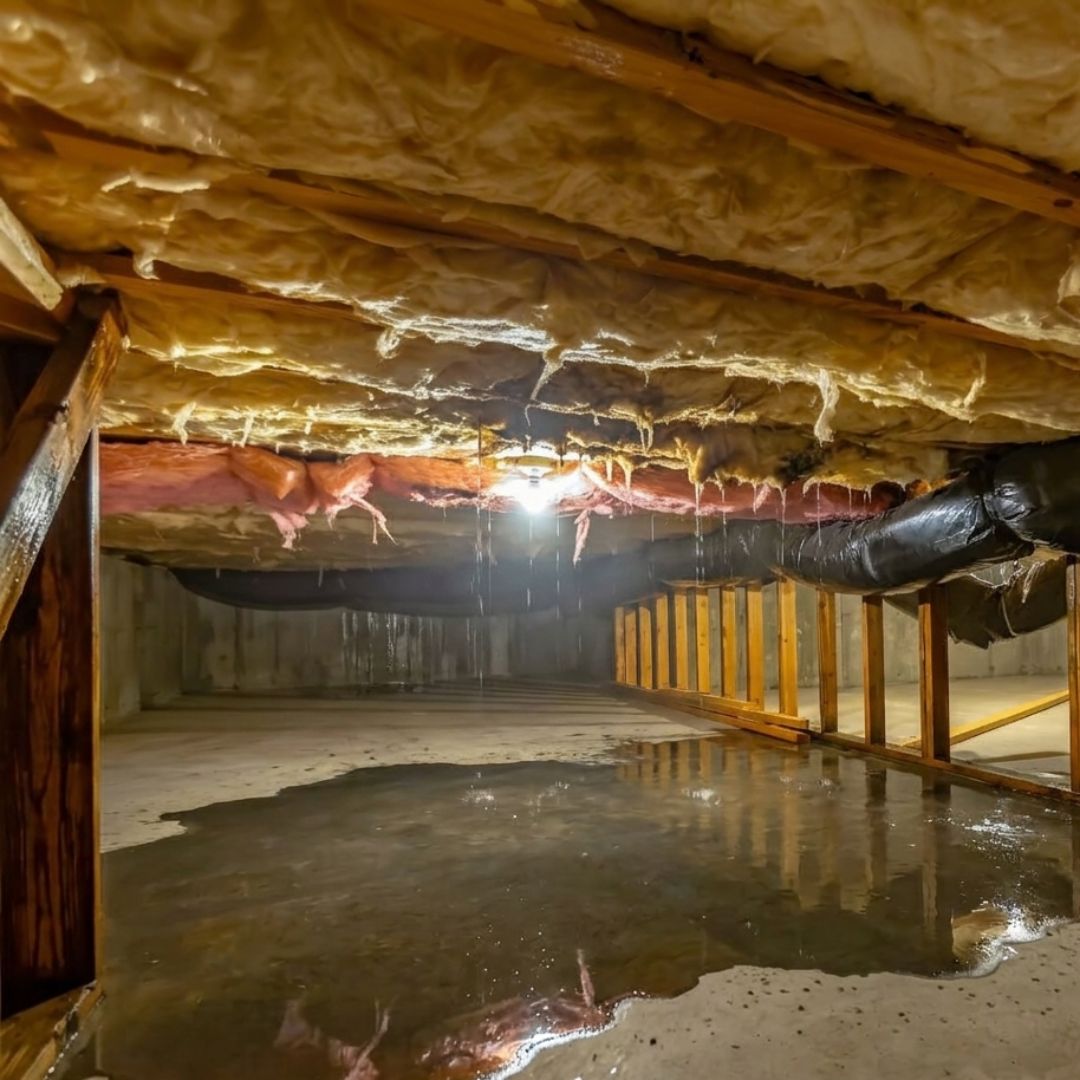
- Crawl Space Check: Take a flashlight and look for standing water or a white, powdery substance on the walls (efflorescence). This indicates that water is pushing through the masonry.
4. Plumbing and HVAC
As you switch from heating to cooling, your HVAC system’s condensation line becomes a high-risk area.
- HVAC Drip Pans: Ensure the drain line isn’t clogged with dust or sludge. A backed-up line can dump gallons of water directly into your ceiling or flooring.
- Outdoor Faucets: If you didn’t fully winterize your outdoor spigots, the first time you turn them on this spring, check for leaks inside the wall.
5. Landscaping and Exterior Drainage
In Springdale’s hilly terrain and clay-heavy soil, how you manage the water outside is just as important as how you manage it inside.
- The “Zone of Defense”: Ensure there is a 6-inch gap between your home’s siding and the start of your landscaping (mulch or soil). If the soil is too high, it creates a “bridge” for moisture and pests to enter your walls.
- Assess the Grade: After the first heavy Springdale rain, walk your property. If you see “mini-lakes” forming within 10 feet of your foundation, your yard’s grading may need adjustment to prevent hydrostatic pressure from pushing water through your basement walls.
- Commercial Parking Lots: For business owners, check that parking lot drains are clear of winter grit and trash. Backed-up storm drains can lead to “flash flooding” right at your front door.
FAQ: Spring Leak & Water Damage in Springdale
Q: How can I tell the difference between a water leak and simple condensation?
A: Condensation appears as tiny droplets on cold surfaces (like windows). A leak causes localized staining, “bubbling” paint, or soft spots on drywall and flooring.
Q: Does 911 Restoration of Northwest Arkansas provide leak detection?
A: Yes. We use thermal imaging and moisture meters to find hidden leaks behind walls and under floors without unnecessary demolition.
Q: What is the most common cause of commercial water damage in Springdale?
A: Clogged HVAC condensate lines and failing flat roof membranes are the leading causes of spring water damage for local NWA businesses.
Q: How long do I have before a spring leak turns into mold?
A: In the humid Northwest Arkansas climate, mold spores can begin to colonize in as little as 24 to 48 hours after a leak occurs.
Q: Will my insurance cover a roof leak from a spring storm?
A: Most insurance policies cover water damage caused by wind or hail. However, coverage may be denied if the leak is attributed to long-term maintenance neglect rather than a specific storm event. Contact us for answers to your insurance questions, also review our insurance information page.
Don’t let a small drip dampen your spring and summer plans. Consider a water leak inspection to find any evidence of water damage. Call 911 Restoration of Northwest Arkansas today at (479) 223-5148. We’re available 24/7/365 to ensure your Springdale or surrounding cities property stays dry and safe.
Latest Posts


Contact Us
For Advice
Need help? Talk to an expert
(479)-223-5148